
How to Choose a Dentist: What to Look for in a Dental Practice
Choosing a dentist involves more than finding an office nearby or selecting a practice that accepts your dental insurance. Your dentist is someone you may work with for years, so the quality of communication, continuity of care, technology, and clinical approach all matter.
A good dental practice should make it easier to understand your oral health and make informed decisions about treatment. That starts with a thorough examination and extends to how the practice communicates recommendations, uses technology, handles questions, and supports your care over time.
At Allen Family Dentistry, Dr. J. Brandon Allen and the team provide comprehensive dental care through three locations in East Texas: Athens, Bullard, and Palestine. Each office follows the same patient-centered approach, giving families the flexibility to choose the location that works best for them.
Key Takeaways
- Look for a dental practice that emphasizes continuity of care and takes time to understand your health history and goals.
- Ask how new patient examinations are structured and how treatment recommendations are explained.
- Dental technology can improve diagnosis, treatment planning, and communication when it is used appropriately.
- A thorough dentist should explain what requires treatment, what can be monitored, and what options are available.
- Your first appointment is an opportunity to evaluate the practice as well as your oral health.
- Clear communication, transparent treatment planning, and a consistent standard of care are important parts of a long-term dental relationship.
Look for a Practice That Takes a Long-Term Approach
Dental care works best when it is approached as an ongoing process rather than a series of unrelated appointments. Regular examinations allow a dental team to track changes in your oral health, identify developing concerns, and adjust recommendations as your needs change.
Continuity also matters. When the same practice manages your care over time, your dental team has access to your previous examinations, X-rays, treatment history, and other relevant information. That history provides context that can be difficult to establish when care is spread across multiple offices.
A relationship-based practice should also take time to understand more than the immediate reason for your visit. Your medical history, medications, previous dental treatment, bite, oral hygiene, and other factors can all influence your care.
When evaluating a practice, consider asking:
- Will I regularly see the same dentist or dental team?
- How does the practice track changes in my oral health?
- How much time is typically scheduled for a new patient examination?
- How does the dentist review my health history?
- What happens if I have a dental concern outside regular appointment hours?
The answers can tell you a great deal about how a practice approaches continuity and patient care.
At Allen Family Dentistry, the goal is to develop long-term relationships with the people and families we serve. That approach extends from preventive care to more complex treatment when it becomes necessary.
Ask How the Practice Handles New Patient Examinations
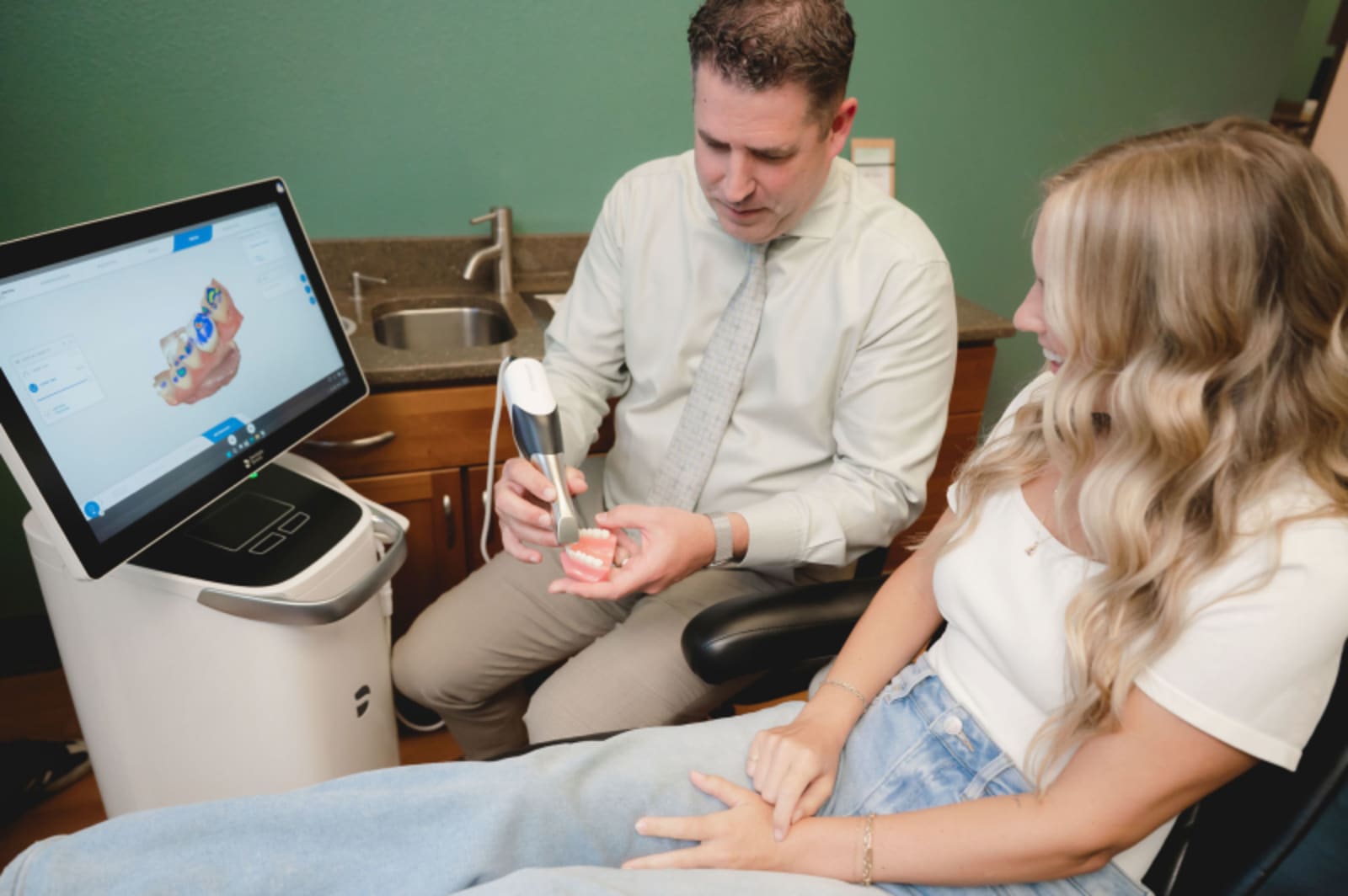
A new patient examination should provide more than a quick look at your teeth. It gives the dental team an opportunity to establish a baseline for your oral health and identify areas that may need treatment or monitoring.
Depending on your individual needs, an examination may include a review of your medical and dental history, digital X-rays, a clinical examination, an evaluation of your gums, and an assessment of your bite.
The dentist should also take time to discuss the findings with you. When contacting a practice, it can be useful to ask how long a new patient appointment typically takes and what it includes. A practice should be able to explain what you can expect before you arrive.
Communication during the appointment is equally important. Rather than simply receiving a list of recommended procedures, you should have an opportunity to understand:
- What the dentist found
- Which concerns require treatment
- Which areas can be monitored
- What treatment options are available
- What may happen if treatment is delayed
- How the recommended care is prioritized
A clear explanation helps you participate in decisions about your dental health rather than simply receiving a treatment recommendation without context.
Consider the Technology a Practice Uses
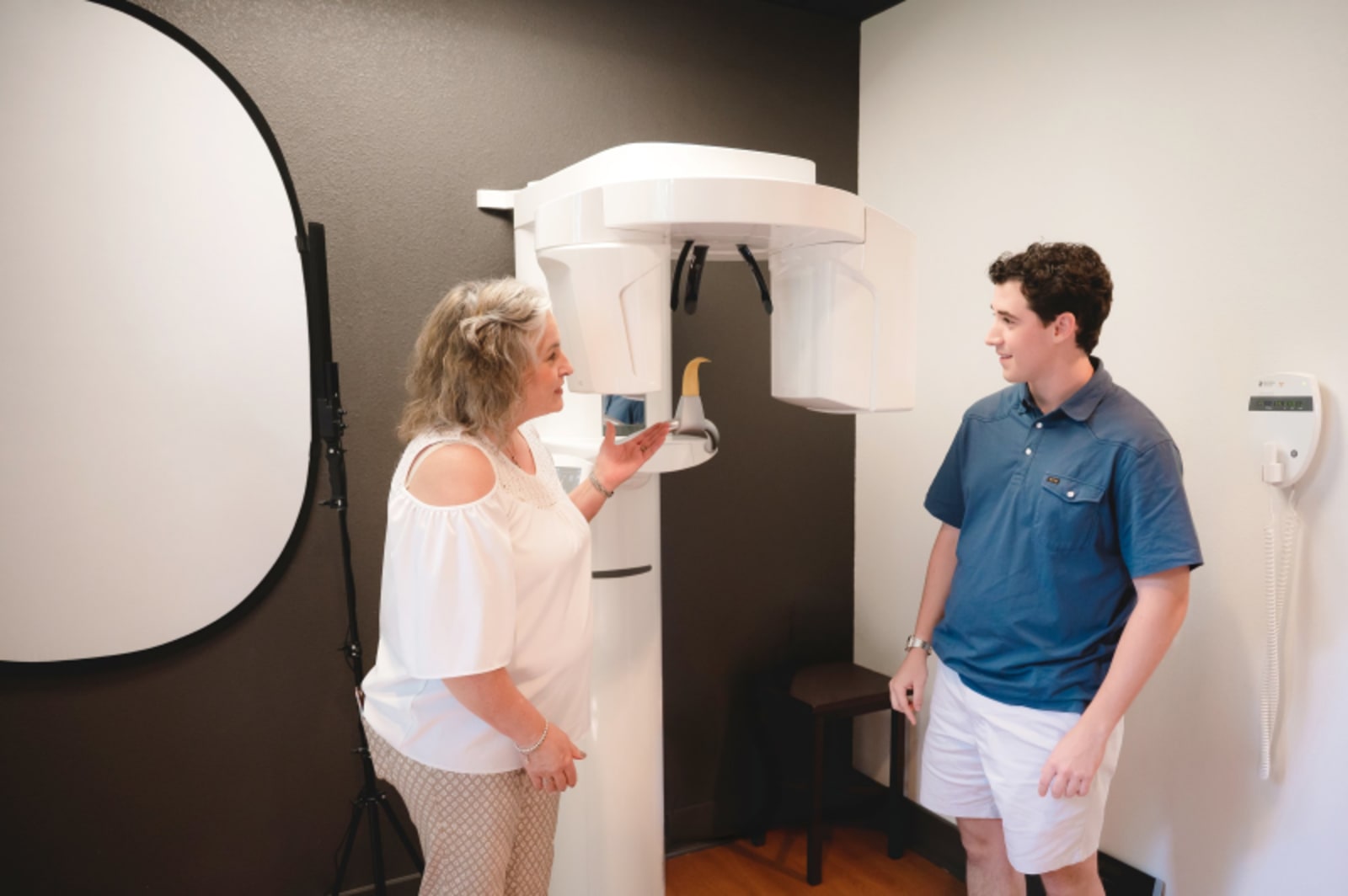
Modern dental technology can support more accurate diagnosis, more efficient treatment, and clearer communication. However, the most important consideration is not how much technology an office has. It is whether the technology is being used appropriately to improve care.
Digital X-rays
Digital X-rays provide detailed images of the teeth and surrounding structures and are available almost immediately. They can help dentists identify decay, bone changes, infections, and other concerns that may not be visible during a visual examination.
Digital imaging also makes it easier for your dentist to review findings with you during your appointment.
Intraoral Cameras
An intraoral camera is a small device that captures detailed images inside the mouth. These images can make it easier to understand findings such as cracks, worn areas, damaged restorations, or changes along the gumline.
Visual information can be particularly useful when discussing treatment options because you can see the area being evaluated rather than relying entirely on a verbal description.
3D Cone Beam Imaging
Cone beam computed tomography, or CBCT, creates three-dimensional images of the teeth, jawbone, and surrounding structures.
This technology can be particularly useful when planning dental implants, evaluating certain jaw concerns, or assessing cases that require more detailed imaging than conventional X-rays provide.
Same-Day Crowns
Some dental practices use CAD/CAM technology to design and fabricate certain restorations in the office. This can allow a crown to be completed during a single visit in appropriate cases.
Digital Treatment Planning
Digital planning tools can also help dentists evaluate treatment and explain recommendations. Depending on the procedure, digital technology may be used to visualize treatment, plan restorations, or show how different approaches could affect the final result.
When comparing dental practices, ask not only which technologies are available but also how they are incorporated into diagnosis and treatment.
Pay Attention to How Treatment Is Explained
The way a dentist communicates treatment recommendations is one of the most useful things to evaluate during an appointment.
A thorough explanation should include the reason a treatment is being recommended, the available options, and the potential consequences of delaying care when appropriate. A responsible dental team should help you understand which concerns benefit from early intervention, which require more immediate attention, and how the recommended approach supports your long-term oral health.
For example, when a dentist identifies an early cavity, they may recommend a conservative treatment to address the decay before it progresses and requires a more extensive restoration. In another situation, a damaged tooth may need prompt attention to preserve its remaining structure and prevent further complications.
A good treatment discussion should leave you with a clear understanding of your current oral health and the reasoning behind the recommendations.
Written treatment plans can also be useful, particularly when multiple procedures are involved. Having the proposed treatment documented gives you an opportunity to review the information after your appointment and follow up with questions.
For additional information about how health information is handled, you can review Allen Family Dentistry's HIPAA Notice of Privacy Practices.
How Does the Practice Handle Preventive Care?
A dental practice should do more than identify problems once they develop. Preventive care is an important part of maintaining oral health over time, and your dentist should be able to explain what you can do to reduce your risk of future problems.
During routine visits, the dental team may evaluate your teeth and gums for signs of decay, gum disease, wear, changes in your bite, and other developing concerns. Recommendations may also include professional cleanings, fluoride, oral hygiene guidance, or other preventive measures based on your individual needs.
When evaluating a dental practice, ask how the team approaches prevention:
- How often do they recommend routine examinations and cleanings?
- How do they determine whether someone needs more frequent visits?
- Do they discuss ways to reduce the risk of cavities and gum disease?
- How do they monitor areas that do not currently require treatment?
- Will they explain what changes to watch for between appointments?
A preventive approach should be personalized rather than based on a one-size-fits-all schedule. Your dental history, oral hygiene, risk factors, age, medications, and other health considerations can all influence the recommendations.
At Allen Family Dentistry, preventive care is part of the foundation of ongoing dental health. Regular examinations give our team the opportunity to identify changes early, while routine conversations about home care and prevention help you understand what you can do between visits.
Evaluate the Entire Patient Experience

Clinical care is the most important part of choosing a dentist, but the experience surrounding that care matters too.
Pay attention to how the practice communicates before your appointment. Is scheduling straightforward? Does the team answer your questions clearly? Are financial policies explained before treatment? Does the office provide the information you need to prepare for your visit? These details can provide insight into how the practice operates.
A patient-centered practice does not necessarily mean that every appointment will look exactly the same. Your treatment needs, health history, and circumstances will influence the care you receive. What should remain consistent is the practice's commitment to thorough evaluation and clear communication.
What to Look for at Your First Appointment
Your first appointment gives you a useful opportunity to evaluate whether a practice is a good fit for your ongoing care.
Before the examination begins, consider how the team handles your medical and dental history. A thorough review should identify relevant medications, health conditions, previous procedures, and other factors that may affect your dental care.
During the examination, pay attention to whether the dentist takes time to evaluate your overall oral health rather than focusing only on the reason for your visit.
Afterward, you should have a reasonable understanding of your current dental health. If treatment is recommended, you should also understand what is being proposed and why.
You should also feel comfortable asking for clarification. Dental terminology can be unfamiliar, and there is nothing wrong with asking a dentist to explain something in another way.
Find a Dental Practice That Fits Your Needs
Choosing a dentist is an important decision, particularly if you're looking for a practice where you can receive care for years to come. Start by looking beyond convenience and evaluating how the practice approaches diagnosis, communication, technology, treatment planning, and continuity of care.
At Allen Family Dentistry, we welcome questions about how our practice works and what you can expect from your care. Whether you're looking for a new general dentist, need to address a specific concern, or are seeking a practice for your family, our team can help you determine where to begin.
Allen Family Dentistry has three locations in East Texas:
- Athens: 208 Crestway Street, Athens, TX 75751 - 903-675-3811
- Bullard: 206 E. Main St. Bullard, TX 75757 - 903-710-2309
- Palestine: 910 N. Mallard Street, Palestine, TX 75801 - 903-723-5816
You can explore all three locations to find the office that is most convenient for you, or visit the new patient page to learn more about getting started.